


Trampoline parks have become increasingly popular in recent years, offering a fun and exciting experience for people of all ages. One essential component of many trampoline parks is the airbag. These airbags provide a safe landing surface for jumpers, reducing the risk of injury during high - flying stunts and acrobatic maneuvers. As a supplier of Trampoline Park Airbags, I often get asked whether these airbags require any special setup. In this blog post, I'll explore this question in detail.
Understanding the Basics of Trampoline Park Airbags
Trampoline park airbags are designed to absorb the impact of a jumper's landing. They are typically made of high - quality, durable materials that can withstand repeated use. The air inside the bag acts as a cushion, distributing the force of the impact over a larger area and reducing the stress on the jumper's body.
The size and shape of trampoline park airbags can vary widely depending on the specific needs of the park. Some airbags are small and designed for individual use, while others are large enough to accommodate multiple jumpers at once. The design of the airbag also plays a crucial role in its performance. For example, some airbags have a tapered shape to guide the jumper towards the center, while others have a flat surface for more predictable landings.
Special Setup Requirements
Location and Placement
One of the most important aspects of setting up a trampoline park airbag is choosing the right location. The airbag should be placed in an area that is free from any obstacles or hazards. It should also be positioned in a way that allows for easy access for jumpers. For example, it should be located near trampolines or other jumping equipment so that jumpers can easily reach it.
The surface on which the airbag is placed also matters. It should be a flat, stable surface that can support the weight of the airbag and the jumpers. Uneven surfaces can cause the airbag to shift or tilt during use, which can increase the risk of injury. In some cases, it may be necessary to install a special platform or foundation to ensure the stability of the airbag.
Anchoring
To prevent the airbag from moving or shifting during use, it must be properly anchored. This can be done using various methods, such as straps, ropes, or anchors that are secured to the floor or the surrounding structure. The anchoring system should be strong enough to withstand the force of a jumper's impact. For example, if the airbag is placed near a high - traffic area or if it is likely to be subjected to large impacts, a more robust anchoring system may be required.
Inflation
Proper inflation is critical for the performance of a trampoline park airbag. The airbag should be inflated to the recommended pressure, which is usually specified by the manufacturer. Over - inflation can make the airbag too hard, reducing its ability to absorb impact, while under - inflation can make it too soft and unstable.
Most airbags come with an inflation valve that can be connected to an air compressor. It is important to use a high - quality air compressor that can provide a consistent flow of air. Regular checks should be made to ensure that the air pressure remains within the recommended range. Some advanced airbags may also have a built - in pressure monitoring system to make this process easier.
Safety Perimeters
In addition to the airbag itself, it is essential to set up safety perimeters around the airbag. These perimeters can be marked with cones, ropes, or other visual indicators to prevent unauthorized access. They also help to keep bystanders at a safe distance from the airbag, reducing the risk of accidental collisions.
Maintenance and Inspection
Once the airbag is set up, regular maintenance and inspection are necessary to ensure its continued safety and performance. This includes checking the air pressure, inspecting the fabric for any signs of wear or damage, and testing the anchoring system.
Any damage to the airbag should be repaired immediately. Small tears or holes can often be patched using a special repair kit provided by the manufacturer. However, if the damage is extensive, it may be necessary to replace the airbag.
The Role of a Professional Installer
While it is possible for a trampoline park owner to set up an airbag themselves, it is highly recommended to hire a professional installer. Professional installers have the experience and knowledge to ensure that the airbag is set up correctly and safely. They are familiar with all the special setup requirements and can handle any challenges that may arise during the installation process.
A professional installer can also provide valuable advice on the best location, anchoring method, and inflation settings for the airbag. They can also perform a thorough inspection of the airbag and the surrounding area to identify any potential safety hazards.
Benefits of Our Trampoline Park Airbags
As a supplier of Trampoline Park Airbags, we offer high - quality products that are designed to meet the highest safety standards. Our airbags are made from durable materials that can withstand heavy use and provide excellent impact absorption.

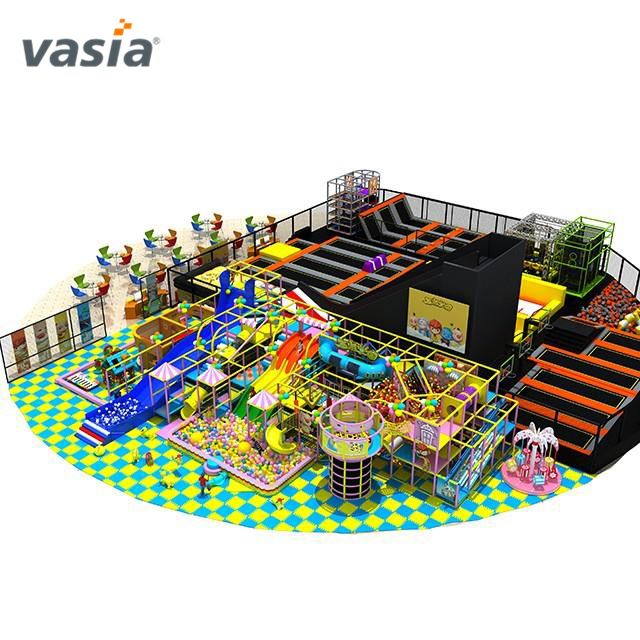
We also provide comprehensive support and guidance to our customers. Whether you are setting up a new trampoline park or upgrading an existing one, our team of experts can help you choose the right airbag for your needs and ensure that it is installed correctly.
If you are interested in Trampoline Park Manufacturer, bounce house trampoline park, or Nursery Soft Play Equipment, we can also offer relevant products and services to meet your requirements.
Conclusion
In conclusion, trampoline park airbags do require special setup to ensure their safety and performance. From proper location and placement to inflation and anchoring, every aspect of the setup process is crucial. By following the manufacturer's guidelines and working with a professional installer, trampoline park owners can ensure that their airbags provide a safe and enjoyable experience for jumpers.
If you are in the process of setting up a trampoline park or looking to upgrade your existing equipment, I encourage you to reach out to us. We are here to help you with all your Trampoline Park Airbag needs. Contact us today to discuss your requirements and start the procurement process.
References
- ASTM F2291 - Standard Specification for Trampolines in Recreational Facilities
- EN 13219 - Safety requirements and test methods for trampolines
- Manufacturer's installation and operation manuals for trampoline park airbags
