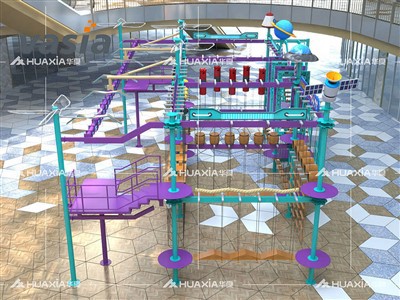
Wholesale Rope Course Manufacturer


Huaxia Amusement Co., Ltd, located in qiaoxia town, yongjia county, zhejiang province, which is known as "town of toy".
Committing to research & development, manufacture and sale as well as 18 years experience, strictly according to the international safety production standards. Our production export to more than 80 countries and regions in Europe, South America, USA, Middle East and southeast Asia.
We provide you with customized playground and children's amusement space design, complete product integrated solution.
Our main products include Commercial Indoor Soft Play Equipment, Soft Play Area Equipment Suppliers, Soft Foam Indoor Playground, Daycare Indoor Playground Equipment, Soft Playground Equipment, Soft Play Centre Equipment, Soft Play Area Equipment, etc.


Advantages of Playground Production
baiduimg.webp

Customized Design

The company assigns a sales representative and design team to the customer. After rendering, the customer will modify, adjust, and confirm the final version until finalization.

baiduimg.webp

Professional Transportation And Installation

Customers can provide a transportation company or use our cooperative transportation company. If necessary, the company will arrange a professional team to complete the installation.

baiduimg.webp

Competitive Price

If you need more quantities, please contact us to inquiry, because we have discount for wholesales.

 

baiduimg.webp

After Sales Service

The equipment enjoys a one-year warranty (except consumables), we will answer and provide solutions within 24 hours (except holiday).

First 12 Last 1/2

What is Rope Course


Indoor Rope Course refers to a series of obstacle courses designed for people to climb and cross through the use of ropes, which are installed indoors and generally used for training, physical fitness, and amusement. These courses usually consist of various obstacles and difficulties, such as climbing walls, Tarzan swing, zip line, etc., to challenge people's physical and mental abilities. Indoor Rope Course is a new type of fitness and entertainment project, which can not only help people improve their ability of coordination and balance, but also help them enhance their courage and tenacity.


Features of Rope Course


Versatile Layout

Indoor rope courses offer diverse setups with various obstacles, such as ropes, nets, bridges, and zip lines, allowing participants to navigate through challenges at different difficulty levels.

01

All-Weather Accessibility

Being indoors, these courses are accessible regardless of weather conditions, ensuring a consistent experience throughout the year.

02

Physical and Mental Challenges

Participants face physical obstacles that require balance, strength, agility, and problem-solving skills, fostering both physical fitness and cognitive development.

03

Entertainment and Recreation

They offer an exciting and thrilling experience, making them popular venues for entertainment, birthday parties, and recreational outings.

04

Learning Environment

Some indoor rope courses incorporate educational elements, teaching participants about risk management, teamwork, and overcoming challenges.

05


Benefits of Rope Course

Physical Fitness

Engaging in the challenges of an indoor rope course requires physical strength and endurance. Participants use various muscle groups, promoting overall fitness.

Team Building

Negotiating through the course fosters teamwork and collaboration. Participants must communicate effectively to overcome obstacles and complete challenges.
Many activities involve elements of trust, encouraging individuals to rely on their teammates and build a sense of mutual trust.

null
null

Problem Solving

Navigating obstacles on the rope course requires quick thinking and adaptability. Participants learn to analyze situations and make decisions under pressure.
Some courses incorporate unconventional challenges, promoting creative problem-solving and thinking outside the box.

Overcoming Fears

Indoor rope courses often include elevated elements, providing a controlled environment for individuals to confront and overcome fear of heights.
Conquering challenging elements builds self-confidence and encourages participants to push their boundaries, contributing to personal growth.

1

Stress Relief: The physically demanding nature of the course triggers the release of endorphins, reducing stress and promoting a sense of accomplishment.
The focus required to navigate the course provides a mental break from daily stresses, offering a unique form of stress relief.


2

Fun and Enjoyment: Indoor rope courses offer an entertaining and enjoyable experience for participants of various ages. The sense of adventure and accomplishment adds a recreational aspect to the activity.


3

Safety Training: Participating in an indoor rope course often involves safety training. This not only ensures the well-being of participants during the activity but also imparts valuable safety knowledge applicable in various contexts.


Types of Rope Course
 

High course
High ropes courses can be described as static, dynamic, vertical, and M-Belay. With a static course, participants are attached to an upper wire, belay cable, with lanyards (ropes and carabiners) for safety. If the participant dangles, they will be caught by the wire. Advantages of a static course include needing fewer facilitators, being able to get more participants up on the course at one time, and allowing participants to do multiple elements without having to be lowered and climb back up after each. On a dynamic course, participants are connected to a rope, which someone on the ground will be holding onto and belaying the participant on the course. Participants on a dynamic course remain on a belay the entire time: climbing up to the element, doing the activity, and being lowered to the ground after. A vertical course is very similar to dynamic, except that the element is the climb up. Vertical courses can be: vertical obstacle courses with hanging logs, ladders, and tires or alpine towers with their unique hour-glass shape of activities. The M-Belay is the most complicated of the two, and involves two separate belays. Otherwise, it is very similar to a dynamic course.


Low course
Low ropes courses consist of a series of real and imaginary obstacles designed to challenge groups and individuals to work together to accomplish a task. The classification of low ropes courses can be further broken into several types of activities:
Cooperative Game, Socialization Activity, Ice-Breaker: a fun activity designed to reduce inhibitions and break down barriers. These activities are often not based on a defined task but on a sequence of events. Users are often placed in positions where they are encouraged to try new things that may place them outside their normal comfort zones. Examples include: name games, people to people, raccoon circle...
Group Initiative: problems involving real and imaginary ground-based obstacles (either natural or constructed) that challenge a group to pool their resources and work together to find solutions. Success is achieved only when all members have contributed to the outcome. Examples include: The Muese, Spider's Web, Carpet Maze, Crocodile Pit, Whale Watch, Peanut Butter River, Ragging River, T.P. Shuffle, Nitro Crossing, and Group Wall
Trust-building games: activities designed to provide members the opportunity to demonstrate their trust in other members of the group through a series of sequenced actions. Examples include: Willows in the Wind and Trust Fall.
Low Ropes Elements: a series of cables, ropes, and obstacles strung between trees or poles, 12 to 18 inches above the ground, low rope elements present tests of physical strength, stamina, agility, balance, and flexibility, and invite participants to confront such emotional issues as the fear of falling, the fear of failure, and the fear of losing control. Risk is managed by group members who assume critical spotting roles. Examples include: Swinging Balance Beam, Triangle Traverse, Tire Swings, and Mohawk Walk.


Application of Rope Course
Inflatable Indoor Playground

Educational Programs

Incorporate indoor rope courses into educational programs for schools and colleges to teach students about problem-solving, teamwork, and goal-setting.

Indoor Play Area for Adults

Therapeutic Settings

Use indoor rope courses in therapeutic settings to address various physical and mental health challenges.
Incorporate elements of the course to build confidence, overcome fears, and enhance overall well-being.

Indoor Fun for Toddlers

Camps and Retreats

Include indoor rope courses in camp programs and retreats to provide participants with a unique and memorable experience.
Combine the courses with leadership development activities to enhance personal growth and resilience.

Kids Indoor Tunnel Soft Amusement Parks

Themed Events

Incorporate indoor rope courses into themed events, such as adventure-themed parties or festivals, to create an engaging and interactive experience for participants.

Lovely And Cheap Children's Small Soft Playground

Youth and Community Centers

Offer indoor rope courses in youth centers or community facilities to engage young people in positive and constructive activities.
Use the courses to teach life skills, foster teamwork, and promote a sense of accomplishment.

Color Dreamlike Indoor Soft Playground For Kids

Climbing Gyms and Facilities

Integrate indoor rope courses into climbing gyms and facilities to provide climbers with additional challenges and variety in their training routines.
Combine traditional climbing walls with rope elements for a comprehensive indoor climbing experience.


What Restrictions are there for High Rope Courses?


High Ropes is suitable for guests aged 8+
Guests aged 8 - 9 years must be accompanied on the activity by a participating parent or guardian aged 18+ on a ratio of 1 adult to 3 children. That parent or guardian must purchase a full ticket for the activity.
Height restriction: Minimum 122cm (4ft) tall, maximum height 203cm (6ft 7) tall.
Weight restriction: Max weight 21.5 stone (136kg).
For all activities that require a guest to wear a harness, we ask that all guests must wear full length top with sleeves and mid-thigh shorts – failure to do so may mean you cannot take part in the activity.
We recommend wearing comfortable active wear you can move in. Closed toe shoes are a must. No flip flops, heels or open toed sandals will be allowed. Shoes must be secure and have ample grip.


How to Build a Ropes Course


Planning and Site Selection
Building a ropes course is an exciting project that requires careful planning and execution. Before you begin building your ropes course, you'll need to do some initial planning and select a site. Here are some important points to consider:

Purpose: What is the main purpose of your ropes course? Is it for recreational purposes or for team building? Once you know the purpose of your course, you can determine what elements to include and how difficult the course should be.
Location: Where should the ropes course be set up? Find a location that has enough space for the course and the necessary equipment. Consider the accessibility and nearby facilities.
Regulations: check with your local government to see if any regulations or permits are required to build a ropes course.
Budget: Determine your budget for the project, including construction costs, equipment and maintenance.


Planning and Construction
Designing a ropes course requires expertise and experience. Once you've selected your site and completed the initial planning, it's time to move on to designing and building your ropes course. Here are some important steps to keep in mind:

Design: work with a ropes course designer to design a course that meets your specific needs and budget. He or she will help you select the right elements, such as zip lines, balance beams and rope bridges, and design the layout of the course.
Materials: choose high-quality materials that can heavy use. Common materials include steel cables, wooden poles and plastic ropes.
Installation: hire experienced contractors to install the course according to the design plans. They should comply with all safety guidelines and regulations.
Inspection: Once the course is installed, have a professional inspect it to ensure it meets all safety standards.


Safety Aspects
Building a ropes course is a complex process that requires the use of quality materials and equipment. Maintenance of a ropes course is critical to its longevity and safety.

When building and operating a ropes course, safety should be a top priority. Below are some important safety considerations to keep in mind:

Training: Conduct thorough training for all staff and participants so they can use the course safely. This includes proper harness donning, hooking and belaying.
Maintenance: inspect and maintain the course regularly to ensure it remains in good condition. Replace worn or damaged elements immediately.
Emergency Procedures: Have clear emergency procedures in place in the event of an accident or injury. These include first aid training, communication tools, and evacuation plans.


Maintenances of Rope Course?
 
01/

Regular inspection: It is crucial to conduct regular inspections of the rope course to identify any damage, wear, or fraying. Look for broken or weakened sections of rope, knots that may be coming undone, and other potential hazards.

02/

Cleaning: Regularly clean the rope course to remove dirt, dust, and other debris that may accumulate. Use a soft-bristled brush or cloth to gently clean the rope, paying attention to areas that may be hard to reach.

03/

Lubrication: Apply a light lubricant to the rope course to maintain its flexibility and prevent rusting. Use a dedicated lubricant specifically designed for rope or canvas materials, following the manufacturer's recommendations.

04/

Storage: When not in use, it is important to store the rope course properly. Roll the rope course tightly and store it in a dry, well-ventilated area away from direct sunlight and high temperatures.

05/

Proper Fastening: Ensure that all ropes are securely fastened to the anchor points and that there are no loose or sagging sections that could pose a risk of tripping or entanglement.

06/

Routine Maintenance: Schedule regular maintenance checks for the rope course, ensuring all components are in good working order. This includes checking the integrity of the anchor points, beams, and other supporting structures.


Precautions of Indoor Rope Course
 

Wear Proper Footwear: Ensure that you are wearing shoes suitable for indoor rope courses. Look for sturdy, nonslip shoes with good traction to provide stability and prevent falls.


Clothing Considerations: Wear clothing that allows for freedom of movement and doesn't restrict your ability to safely participate in the activities. Avoid wearing loose or long clothing that could get caught in the ropes.


Physical Conditioning: Indoor rope courses can be physically demanding, so it is important to be in good physical condition. If you have any injuries or health conditions that could be aggravated by the activity, consult a doctor before participating.


Follow Instructions: Always follow the instructions and guidelines provided by the rope course operator or instructor. They will familiarize you with the equipment, explain the proper techniques, and demonstrate the activities safely.


Stay Alert: Stay focused and alert at all times when participating in the rope course. Be aware of your surroundings, other participants, and any potential hazards such as loose clothing or jewelry that could get caught.


Supervision: If you are supervising young children on the rope course, ensure that you are attentive and closely monitor their progress. Supervise children at all times and assist them if needed to ensure their safety.


Proper Technique: Learn and practice the proper techniques for each activity on the rope course. This includes proper balancing, body control, and how to handle the ropes correctly to avoid falls or injuries.


Limitation of Participation: Consider the age and ability levels of participants when choosing an indoor rope course activity. Some activities may be too challenging or unsafe for young children or individuals with limited physical ability.


Stop if Needed: If you feel fatigued, disoriented, or experience any pain or discomfort during the activity, it is important to stop immediately and seek assistance.


Our Factory

Huaxia Amusement Co., Ltd, located in qiaoxia town, yongjia county, zhejiang province, which is known as "town of toy".

1
2
6
4


Our Certificate

We have 18 years of experience and strictly follow international production safety standards. Our products are exported to more than 80 countries and regions in Europe, South America, the United States, the Middle East, and Southeast Asia.

AK

AK 

CE

CE 

SAAO

SAAO 

ISO9001

ISO9001  

ISO14001

ISO14001 

18001

18001 

TUV Certification

TUV Certification 

28001

28001  


Rope Course: The Ultimate FAQ Guide


Q: What equipment is used in an indoor rope course?

A: Indoor rope course usually uses various ropes, harnesses, handrails, climbing walls, Tarzan swing, zip line, etc. to form different obstacles and difficulties.

Q: Is an indoor rope course safe?

A: Yes, an indoor rope course is a safe activity as long as it is properly installed and operated under the guidance of professional instructors. All equipment and facilities must meet the relevant safety standards to ensure the safety of participants.

Q: What are the benefits of high ropes course?

A: A high rope experience can be a great option for people who are looking to improve their flexibility. Your adventures can stretch your muscles, which can help to improve your range of motion and reduce the risk of injury.

Q: What is rope course adventure?

A: A ropes course, also called an aerial adventure park or a high-ropes course, is a series of challenging obstacles that you cross one by one in order to make it to the next challenge and move on up to the next level.

Q: What is high rope course?

A: High ropes courses are all about moving across platforms, obstacles, bridges, and even swings in midair. There are often different routes to choose from, so people can choose their own adventure (and level of challenge).

Q: Is a ropes course a good workout?

A: You can build upper body strength. If so, a ropes course has you covered. Courses require a good deal of upper body strength, whether you're climbing walls or grabbing onto ropes. You might even build some muscles you didn't know you had, but you'll have fun doing it.

Q: What skills are needed for high rope courses?

A: We have poles to walk and balance on, sports pitches and fields to run around on and a range of instructed activities that are good for balance and hand eye co-ordination.

Q: Are ropes courses profitable?

A: Starting a ropes course business is a rewarding and profitable venture that offers numerous benefits to both entrepreneurs and their communities.

Q: What is indoor ropes course?

A: Indoor ropes courses are a fun and exciting way to challenge yourself physically and mentally. These courses consist of a series of obstacles, such as rope bridges, zip lines, and balance beams, that are suspended high off the ground.

Q: How many calories do you burn doing ropes course?

A: On average you can burn up to 10 calories per minute during a Battle Ropes session. Here is a great Battle Ropes workout to get your heart pumping and your muscles burning.

Q: What are the three basic types of ropes?

A: Traditionally, a three strand laid rope is called a plain- or hawser-laid, a four strand rope is called shroud-laid, and a larger rope formed by counter-twisting three or more multi-strand ropes together is called cable-laid.

Q: How safe is participating in an indoor Rope Course?

A: Safety is paramount in indoor Rope Courses. Participants are required to wear safety harnesses and helmets, and the courses are regularly inspected to ensure structural integrity. Trained staff provide comprehensive safety briefings, guide participants, and monitor activities to prevent accidents. Additionally, emergency procedures are in place to address any unforeseen situations.

Q: What skills can be developed through indoor Rope Course activities?

A: Engaging in an indoor Rope Course enhances a range of skills, including physical strength, balance, coordination, and problem-solving. Participants learn to overcome fears, boost self-confidence, and develop teamwork and communication skills as they navigate through challenging obstacles, fostering personal growth and resilience.

Q: How can one prepare for an indoor Rope Course adventure?

A: To prepare for an indoor Rope Course, individuals should wear comfortable clothing and closed-toe shoes. It's advisable to arrive with a positive mindset and be open to facing challenges. Staying hydrated and following any pre-course guidelines provided by the facility is essential. Most importantly, participants should listen carefully to safety instructions from trained staff to ensure a secure and enjoyable experience.

Q: What are high ropes courses?

A: High ropes courses are all about moving across platforms, obstacles, bridges, and even swings in midair. There are often different routes to choose from, so people can choose their own adventure (and level of challenge).

Q: Is there a weight limit for high ropes?

A: That parent or guardian must purchase a full ticket for the activity. Height restriction: Minimum 122cm (4ft) tall, Maximum height 203cm (6ft 7) tall. Weight restriction: Max weight 21.5 stone (136kg).

Q: Who can participate in an indoor rope course?

A: Indoor rope course is generally suitable for people of all ages and abilities. However, due to the risk of participation, it is recommended that participants have a certain physical condition and participate in the course under the guidance of professional instructors.

Q: What are the rules of an indoor rope course?

A: Participants must follow the instructions and safety rules set by the operator to ensure their own safety and the safety of others. It is recommended that participants do not climb on their own or modify the equipment.

Q: Can I bring my own equipment to an indoor rope course?

A: Most indoor rope course operators do not allow participants to bring their own equipment to the course, because it may affect the safety of the operation. It is recommended that you use the equipment provided by the operator or venue. If you have special equipment needs, please contact the operator or venue in advance for more information.

Q: What type of safety equipment is required for the indoor rope course?

A: Participants are typically required to wear a harness and a helmet. The harness is attached to safety lines, ensuring that even if a participant slips or falls, they remain securely suspended.

Huaxia Amusement Co., Ltd. is well-known as one of the leading rope course manufacturers and suppliers in China, featured by quality products and competitive price. Please feel free to buy bulk cheap rope course made in China here from our factory.

ropes course waste-reducing ropes course, ropes course water-saving ropes course