


As a supplier of indoor playground equipment, I've witnessed firsthand the transformative power of play in a child's life. Play is not just a form of entertainment; it's a crucial part of a child's physical, cognitive, and social development. However, for children with disabilities, accessing traditional indoor playground equipment can be a significant challenge. In this blog, I'll share some insights on how we can make indoor playground equipment more accessible for these children, ensuring that every child can experience the joy and benefits of play.
Understanding the Needs of Children with Disabilities
Before we can make our indoor playground equipment more accessible, it's essential to understand the diverse needs of children with disabilities. Disabilities can range from physical impairments, such as mobility issues, to sensory, cognitive, and developmental challenges. Each child's experience is unique, and their needs may vary widely.
For children with physical disabilities, equipment that is easy to navigate and manipulate is crucial. This may include ramps, wide walkways, and equipment with accessible controls. Sensory disabilities, on the other hand, require equipment that caters to different sensory experiences, such as tactile, auditory, and visual elements. Children with cognitive or developmental disabilities may benefit from equipment that provides clear instructions and simple, repetitive activities.
Designing Accessible Equipment
One of the first steps in making indoor playground equipment accessible is to design it with accessibility in mind from the start. This involves considering the diverse needs of children with disabilities during the planning and development stages.
- Physical Accessibility: Incorporate ramps, lifts, and wide pathways to ensure that children with mobility issues can easily access all areas of the playground. Equipment should be designed to be wheelchair-friendly, with low entry points and stable surfaces. For example, a climbing structure could have a ramp leading up to the first level, allowing children in wheelchairs to participate.
- Sensory Accessibility: Include a variety of sensory elements in the equipment. This could include textured surfaces for tactile exploration, musical elements for auditory stimulation, and bright colors and patterns for visual appeal. Sensory panels with different shapes, textures, and sounds can provide a rich sensory experience for children with sensory disabilities.
- Cognitive Accessibility: Keep the design of the equipment simple and intuitive. Use clear signage and visual cues to help children with cognitive or developmental disabilities understand how to use the equipment. Activities should be structured in a way that is easy to follow, with clear start and end points.
Adaptive Equipment
In addition to designing accessible equipment, it's also important to provide adaptive equipment that can be customized to meet the specific needs of individual children. Adaptive equipment can help children with disabilities participate in activities that they may not be able to do otherwise.
- Wheelchair Adapters: For children who use wheelchairs, wheelchair adapters can be used to modify existing equipment to make it accessible. For example, a swing can be adapted to accommodate a wheelchair, allowing the child to enjoy the sensation of swinging.
- Assistive Devices: Provide assistive devices such as grab bars, handrails, and support cushions to help children with limited mobility or balance. These devices can provide additional support and stability, allowing children to participate in activities more safely.
- Customizable Equipment: Consider offering equipment that can be customized to meet the specific needs of individual children. This could include adjustable seats, handles, and controls. Customizable equipment allows children to use the equipment in a way that is comfortable and accessible for them.
Training and Staffing
Making indoor playground equipment accessible is not just about the design and equipment itself; it also requires trained staff who can support children with disabilities. Staff members should be educated about the diverse needs of children with disabilities and trained on how to provide appropriate assistance and support.
- Training Programs: Provide training programs for staff members on topics such as disability awareness, inclusive play practices, and the use of adaptive equipment. Training programs should be ongoing to ensure that staff members stay up-to-date on the latest best practices.
- Staffing Ratios: Ensure that there are enough staff members on hand to support children with disabilities. Staff members should be able to provide one-on-one assistance if needed, especially for children with more complex needs.
- Inclusive Play Policies: Develop and implement inclusive play policies that promote the participation of all children, regardless of their abilities. These policies should be communicated clearly to staff members, parents, and visitors.
Creating an Inclusive Environment
In addition to designing accessible equipment and providing trained staff, it's also important to create an inclusive environment where all children feel welcome and valued. This involves promoting a culture of inclusion and acceptance within the indoor playground.
- Community Engagement: Engage with the local community, including disability organizations, schools, and parents of children with disabilities. This can help to raise awareness about the importance of inclusive play and build support for accessible indoor playgrounds.
- Parent and Caregiver Support: Provide support and resources for parents and caregivers of children with disabilities. This could include information about accessible equipment, adaptive strategies, and local support services. Parent and caregiver support groups can also provide a valuable network of support and information.
- Inclusive Programming: Offer inclusive programming that is designed to meet the needs of all children, including those with disabilities. This could include special events, workshops, and activities that are specifically tailored to children with disabilities.
The Benefits of Accessible Indoor Playgrounds
Making indoor playground equipment accessible for children with disabilities has many benefits, not only for the children themselves but also for the community as a whole.
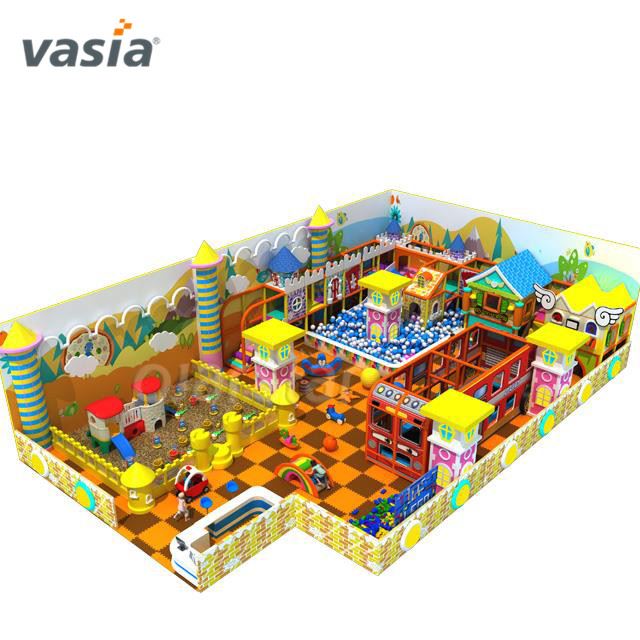

- Physical Development: Accessible playground equipment allows children with disabilities to engage in physical activities, which can help to improve their strength, coordination, and balance. Physical activity is also important for overall health and well-being.
- Social Development: Inclusive playgrounds provide opportunities for children with disabilities to interact with their peers, which can help to improve their social skills and self-esteem. Playing with other children can also help to reduce feelings of isolation and loneliness.
- Cognitive Development: Accessible equipment and inclusive programming can provide children with disabilities with opportunities to learn and develop new skills. Activities that are designed to be challenging but achievable can help to stimulate cognitive development and problem-solving skills.
- Community Building: Accessible indoor playgrounds send a powerful message of inclusion and acceptance to the community. They help to create a more inclusive society where all children are valued and have the opportunity to participate fully.
Conclusion
As a supplier of indoor playground equipment, I am committed to making our products and services more accessible for children with disabilities. By designing accessible equipment, providing adaptive solutions, training staff, and creating an inclusive environment, we can ensure that every child can experience the joy and benefits of play.
If you're interested in learning more about our accessible indoor playground equipment or would like to discuss your specific needs, please don't hesitate to [initiate a conversation with us]. We're here to help you create an inclusive and accessible indoor play space that all children can enjoy.
References
- Burton, A. M., & Mitchell, R. J. (2006). The relationship between play and development in children with disabilities. Early Child Development and Care, 176(1), 1-14.
- Darrah, J. C., Bartlett, D. J., & Law, M. C. (2000). Children's participation in play and leisure: A comparison of children with and without disabilities. Pediatrics, 106(3), 509-515.
- King, G., Law, M., King, S., Hurley, P., & Kertoy, M. (2006). Measuring participation in children with disabilities: The development of the Children's Assessment of Participation and Enjoyment (CAPE) and the Preferences for Activities of Children (PAC). Disability and Rehabilitation, 28(19), 1103-1117.
