


In the exhilarating world of trampoline parks, design is not just about creating a fun space; it's also heavily regulated to ensure the safety of all visitors. As a leading Trampoline Park Design supplier, I've had the privilege of working on numerous projects across different regions. Each area has its own set of unique regulations that designers and operators must adhere to. In this blog, I'll dive deep into the regulations for trampoline park design in various regions, sharing insights into how these rules shape the industry.
North America
United States
In the United States, trampoline park regulations vary from state to state. The ASTM International (American Society for Testing and Materials) has developed a set of standards, ASTM F3216 - 17, which provides guidelines for the design, construction, and use of trampoline parks. These standards cover everything from the strength and durability of the trampoline materials to the height and spacing of safety nets.
Most states require trampoline parks to follow these ASTM standards. Additionally, parks may need to obtain proper permits and inspections from local authorities. For example, in California, trampoline parks are considered amusement rides under the law. Operators must register with the state's Division of Occupational Safety and Health and undergo regular safety inspections.
The safety of patrons is a top priority. Regulations often mandate the presence of trained staff to supervise the trampoline areas. They must be able to enforce safety rules, such as limiting the number of jumpers on a trampoline at one time and ensuring that jumpers follow proper jumping techniques.
From a design perspective, these regulations influence the layout of the park. There needs to be sufficient space between trampolines to prevent collisions. Safety padding must be installed around all edges and frames to minimize the risk of injury. The use of Trampoline Park Equipment that meets ASTM standards is crucial to comply with the regulations.
Canada
Canada also has a comprehensive regulatory framework for trampoline parks. The Canadian Standards Association (CSA) has developed standards, such as CSA Z614 - 17, which are similar to the ASTM standards in the US. These standards cover aspects like the structural integrity of trampolines, the quality of safety nets, and the maintenance requirements.
In Canada, provincial and territorial governments may have additional regulations. For example, in Ontario, trampoline parks are subject to the province's health and safety laws. Inspections are carried out to ensure that parks meet the required safety standards.
Designers in Canada need to consider the cold climate in many regions. Trampoline parks must be designed to withstand low temperatures and potential snow loads. Ventilation systems are also important to maintain a comfortable environment for visitors year - round. The use of Multifunction Sports Indoor Soft Trampoline Park equipment can be beneficial as it often provides a more comfortable and safe jumping experience.
Europe
United Kingdom
In the UK, trampoline parks are regulated by the Health and Safety Executive (HSE) and local authorities. The HSE has published guidance on trampoline safety, which includes requirements for the design and operation of trampoline parks.
One of the key aspects of regulation in the UK is the need for risk assessments. Operators must conduct thorough risk assessments to identify potential hazards in the park and implement measures to control them. This can include providing clear safety instructions to visitors, having trained staff on hand, and ensuring the proper maintenance of equipment.
From a design point of view, trampoline parks in the UK must have appropriate signage throughout the park. The signage should clearly indicate safety rules, such as no somersaults without supervision. The layout of the park should also allow for easy access in case of an emergency. The use of Small Indoor Trampoline options can be useful in creating more versatile and space - efficient designs.
European Union (EU)
The EU has a set of general product safety regulations that apply to trampoline park equipment. These regulations ensure that the equipment is safe for use and meets certain quality standards. In addition, individual EU countries may have their own specific regulations for trampoline parks.
For example, in Germany, trampoline parks are subject to strict safety regulations. The parks must comply with the requirements of the German Social Accident Insurance Institution for the Trade and Service Sector. This includes regular inspections of the equipment and safety systems.
Designers in the EU need to consider the harmonization of standards across different countries. When supplying Trampoline Park Equipment, it's important to ensure that the equipment meets the relevant EU standards to be able to operate in multiple EU countries.
Asia
China
In China, the trampoline park industry has been growing rapidly in recent years, and the government has started to introduce regulations to ensure the safety of trampoline parks. The Chinese National Standards for Trampoline Parks are being developed and updated to match international best practices.
These standards cover areas such as the design, installation, and maintenance of trampoline equipment. Trampoline parks must obtain relevant licenses from local authorities. Inspections are carried out to check the compliance of the park with safety standards.

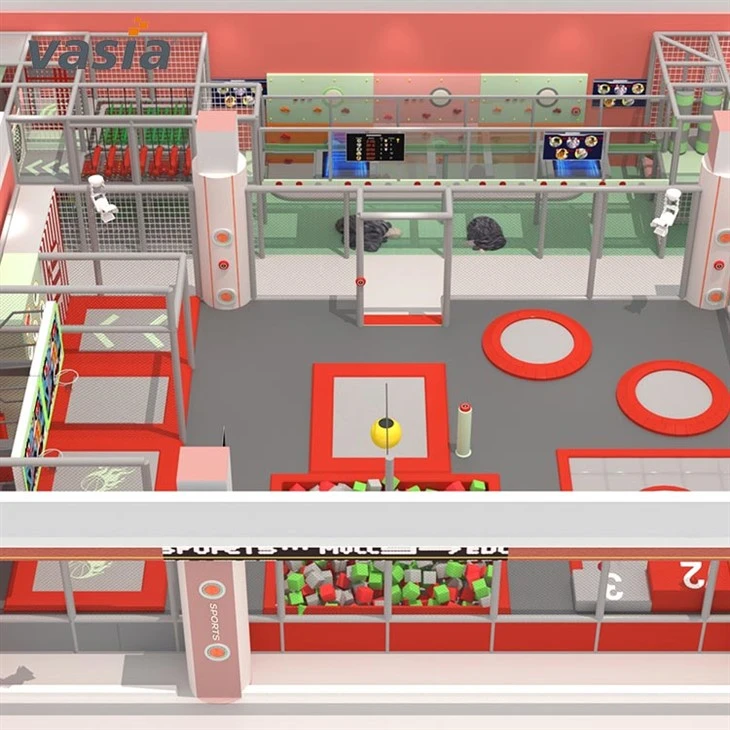
Designers in China need to take into account the large population and high demand for trampoline parks. The layout of the park should be designed to accommodate a large number of visitors while still maintaining safety. The use of advanced Multifunction Sports Indoor Soft Trampoline Park solutions can help to meet the diverse needs of Chinese customers.
Australia
In Australia, trampoline parks are regulated by state and territory governments. The Australian Standard AS 4586:2013 sets out the requirements for trampolines, including those used in commercial settings.
These standards cover aspects such as the frame strength, the quality of the jumping surface, and the safety netting. Trampoline park operators must ensure that their equipment meets these standards and is regularly maintained.
Designers in Australia need to consider the country's unique climate, which can be hot and humid in some regions. The park design should include proper ventilation and cooling systems to ensure a comfortable experience for visitors. The use of Small Indoor Trampoline options can be suitable for areas with limited space.
Impact of Regulations on Trampoline Park Design
The regulations in different regions have a profound impact on trampoline park design. Designers need to be well - versed in the local regulations to create a safe and compliant park.
For example, the spacing requirements between trampolines vary from region to region. In areas with more stringent regulations, designers may need to increase the distance between trampolines, which can affect the overall capacity of the park. However, this also reduces the risk of collisions and injuries.
The type of safety equipment specified in the regulations also influences the design. Some regions may require higher - quality safety nets or more extensive padding. This can increase the cost of the Trampoline Park Equipment but is essential for ensuring the safety of visitors.
From an aesthetic perspective, regulations can also have an impact. For instance, the need for clear signage and emergency exits may require designers to be more strategic in their layout planning to ensure that these elements do not disrupt the overall look of the park.
Contact for Purchase and Consultation
As a Trampoline Park Design supplier, I understand the importance of complying with regional regulations. Whether you're planning to open a new trampoline park or renovate an existing one, I can provide you with the expertise and high - quality equipment you need to create a safe and exciting park. If you're interested in learning more about our Trampoline Park Equipment, Multifunction Sports Indoor Soft Trampoline Park, or Small Indoor Trampoline options, please reach out to us for a consultation. Let's work together to create a trampoline park that meets all the regulatory requirements and exceeds your expectations.
References
- ASTM International. ASTM F3216 - 17. Standard Practice for Design, Construction, and Use of Trampoline Parks.
- Canadian Standards Association. CSA Z614 - 17. Standard for the Design, Installation, and Maintenance of Trampoline Parks.
- Health and Safety Executive (UK). Guidance on Trampoline Safety.
- Chinese National Standards for Trampoline Parks.
- Australian Standard AS 4586:2013. Trampolines - Safety Requirements and Test Methods.
