


When it comes to playground equipment nets with metal parts, understanding their corrosion resistance is crucial. As a playground equipment net supplier, I've witnessed firsthand the importance of this characteristic in ensuring the longevity and safety of the products we offer. In this blog post, I'll delve into the factors affecting the corrosion resistance of metal playground equipment nets, the different types of corrosion, and how we can enhance their durability.
Factors Affecting Corrosion Resistance
The corrosion resistance of metal playground equipment nets is influenced by several factors, including the type of metal used, the environmental conditions, and the protective coatings applied.
Type of Metal
The choice of metal plays a significant role in determining the corrosion resistance of the net. Common metals used in playground equipment nets include steel and aluminum.
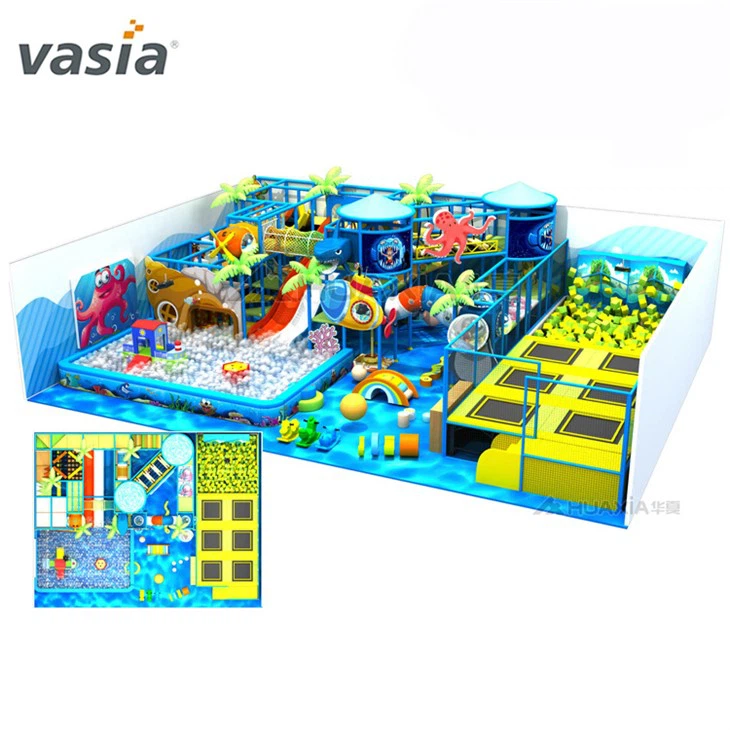

- Steel: Steel is a popular choice due to its strength and durability. However, it is prone to rusting when exposed to moisture and oxygen. To improve its corrosion resistance, steel can be galvanized, which involves coating it with a layer of zinc. Galvanized steel provides a sacrificial barrier that protects the underlying steel from corrosion.
- Aluminum: Aluminum is a lightweight and corrosion-resistant metal. It forms a thin oxide layer on its surface when exposed to air, which acts as a protective barrier against further corrosion. This makes aluminum an ideal choice for playground equipment nets in outdoor environments.
Environmental Conditions
The environment in which the playground equipment net is installed can have a significant impact on its corrosion resistance. Factors such as humidity, temperature, and the presence of pollutants can accelerate the corrosion process.
- Humidity: High humidity levels increase the likelihood of corrosion, as moisture provides the necessary medium for electrochemical reactions to occur. Playground equipment nets installed in coastal areas or regions with high rainfall are particularly susceptible to corrosion.
- Temperature: Extreme temperatures can also affect the corrosion resistance of metal. High temperatures can accelerate the corrosion process, while low temperatures can cause the metal to become brittle and more prone to cracking.
- Pollutants: The presence of pollutants such as salt, chemicals, and industrial emissions can increase the corrosion rate of metal. Playground equipment nets installed near industrial areas or in coastal regions are at a higher risk of corrosion due to the presence of saltwater and pollutants in the air.
Protective Coatings
Applying a protective coating to the metal playground equipment net can significantly enhance its corrosion resistance. There are several types of protective coatings available, including paint, powder coating, and galvanizing.
- Paint: Paint is a common protective coating used on metal playground equipment nets. It provides a barrier between the metal and the environment, preventing moisture and oxygen from coming into contact with the metal surface. However, paint can chip and peel over time, exposing the underlying metal to corrosion.
- Powder Coating: Powder coating is a more durable alternative to paint. It involves applying a dry powder to the metal surface and then baking it at a high temperature to form a hard, protective coating. Powder coating provides excellent corrosion resistance and is more resistant to chipping and peeling than paint.
- Galvanizing: Galvanizing is a process of coating the metal with a layer of zinc. Zinc is a sacrificial metal that corrodes preferentially to the underlying steel, providing long-lasting protection against corrosion. Galvanized steel is commonly used in playground equipment nets due to its high corrosion resistance.
Types of Corrosion
There are several types of corrosion that can affect metal playground equipment nets, including uniform corrosion, pitting corrosion, and crevice corrosion.
Uniform Corrosion
Uniform corrosion is the most common type of corrosion. It occurs when the entire surface of the metal is corroded at a relatively uniform rate. This type of corrosion is typically caused by exposure to moisture and oxygen in the environment.
Pitting Corrosion
Pitting corrosion is a localized form of corrosion that occurs when small pits or holes form on the metal surface. This type of corrosion is typically caused by the presence of chloride ions in the environment, such as saltwater. Pitting corrosion can be particularly dangerous, as it can lead to the weakening of the metal structure and ultimately cause failure.
Crevice Corrosion
Crevice corrosion occurs in narrow gaps or crevices between two metal surfaces. This type of corrosion is typically caused by the accumulation of moisture and debris in the crevice, which creates an environment that is conducive to corrosion. Crevice corrosion can be difficult to detect and can cause significant damage to the metal structure over time.
Enhancing Corrosion Resistance
As a playground equipment net supplier, we take several steps to enhance the corrosion resistance of our products.
Material Selection
We carefully select the materials used in our playground equipment nets to ensure they have the highest level of corrosion resistance. We use galvanized steel and aluminum, which are known for their excellent corrosion resistance properties.
Protective Coatings
We apply a high-quality protective coating to our playground equipment nets to provide an additional layer of protection against corrosion. We use powder coating, which is a durable and long-lasting coating that provides excellent corrosion resistance.
Maintenance and Inspection
We recommend regular maintenance and inspection of the playground equipment nets to ensure they remain in good condition. This includes cleaning the nets regularly to remove dirt and debris, and inspecting them for signs of corrosion or damage. If any corrosion or damage is detected, it should be repaired or replaced immediately to prevent further damage.
Conclusion
The corrosion resistance of playground equipment nets with metal parts is a critical factor in ensuring their longevity and safety. By understanding the factors affecting corrosion resistance, the different types of corrosion, and how to enhance their durability, we can provide high-quality playground equipment nets that meet the needs of our customers.
If you're interested in purchasing playground equipment nets or have any questions about their corrosion resistance, please don't hesitate to contact us. We're here to help you find the right solution for your playground.
References
- Jones, D. A. (1996). Principles and Prevention of Corrosion. Prentice Hall.
- Uhlig, H. H., & Revie, R. W. (1985). Corrosion and Corrosion Control. Wiley.
- Fontana, M. G. (1986). Corrosion Engineering. McGraw-Hill.
In addition, if you are interested in exploring our other playground equipment offerings, you can visit our websites for Large Indoor Play Equipment, Kids Play Zone, and Inside Playground Equipment. Feel free to reach out to us for any procurement - related discussions.
