



Have you ever wondered if Indoor Play Places for Toddlers are truly safe for your little one? You want your child to play, laugh, and explore in these Indoor Play Places for Toddlers, but you also want peace of mind. Safety isn't just a word-it's something every parent cares deeply about. You deserve a secure environment where your toddler can have fun and learn. By checking a few important factors, you can feel confident about choosing the right Indoor Play Places for Toddlers.
Key Takeaways
- Always look for safety features like soft floors and safe fences. Make sure play areas are right for your child's age before they play.
- Check if the place is clean and follows good hygiene rules. See if toys are cleaned often to help keep your child healthy.
- Make sure there are enough adults watching the kids. A low number of staff per child helps keep your toddler safe.
- Ask about how staff are trained and what they do in emergencies. This helps you feel sure the playground is safe.
- Trust your gut feeling. If something seems wrong, find another place for your child to play.
Why Safety Is Crucial in Indoor Play Places for Toddlers
Common Risks for Toddlers Indoors
When you bring your toddler to an indoor playground, you want them to have fun and stay safe. But accidents can happen if you don't watch out for certain risks. Some of the most common dangers include falls, bumps, and germs. Take a look at this table to see the types of injuries that can happen in indoor play places for toddlers:
| Injury Type | Description |
|---|---|
| Fractures | Broken bones, often in wrists, arms, or elbows from falls. |
| Sprains | Stretched or torn ligaments, especially in ankles. |
| Dislocations | Joints forced apart by a strong impact. |
| Contusions | Bruises from bumps or falls. |
| Abrasions | Scrapes from rough surfaces or falling. |
| Lacerations | Cuts from sharp edges or accidents. |
| Strains | Pulled muscles or tendons from awkward moves. |
| Internal Injuries | Rare but serious injuries inside the body. |
You also need to watch for other risks:
- Unstable equipment or loose parts can cause falls.
- Dirty surfaces and toys can spread germs and make kids sick.
- Loose clothing or jewelry might get caught on equipment.
Tip: Always check the indoor playground for clear safety measures before letting your child play.
Benefits of Safe Indoor Play
A safe indoor playground does more than just prevent injuries. It helps your toddler grow and learn in many ways. Here are some of the top benefits:
- Play helps your child discover new skills and face challenges.
- Safe spaces encourage movement, which builds strong muscles and healthy habits.
- Sensory play lets your toddler explore with their senses, boosting brain growth.
- Every child develops at their own pace, so a safe environment lets them try new things without fear.
Here's a quick look at how safe play supports your child:
| Benefit Type | Description |
|---|---|
| Physical Development | Active play builds strength, balance, and a healthy heart. |
| Emotional Development | Trying new things boosts confidence and lowers stress. |
| Cognitive Development | Imaginative play sparks creativity and problem-solving skills. |
When you choose indoor play places for toddlers with strong safety measures, you give your child the best chance to play, learn, and grow.
Key Safety Features in Indoor Playground Design

When you enter indoor playgrounds, you want more than bright colors. You want to know your toddler is safe everywhere. Let's look at the most important safety features you should check.
Age-Appropriate Play Areas
Not all play areas fit every age. Toddlers need spaces that match their growth. The best indoor playgrounds have zones for each age group. This helps your child play safely with kids like them. Here's a table that shows how play changes as kids get older:
| Type of Play | Age Group | Description |
|---|---|---|
| Solitary play | Up to 2 years old | Kids enjoy playing alone and learning independently. |
| Onlooker behavior | Around 2 years old | Kids watch peers but do not engage in cooperative play. |
| Parallel play | 2-3 years old | Kids play alongside peers, growing confidence and curiosity. |
| Associate play | 3-4 years old | Kids play side-by-side but may not actively engage with each other. |
| Cooperative play | Around 4 years old | Kids develop social skills by actively playing with peers. |
Look for signs or labels that show toddler areas. These zones keep older kids from bumping into little ones. Many indoor playgrounds follow rules like ASTM F1918-22 and the U.S. Consumer Product Safety Commission's handbook. These rules make sure equipment fits your child's age and size.
Tip: Ask staff if the play area meets these standards and if they separate spaces by age.
Soft Materials and Padded Surfaces
Toddlers fall often when they play. That's why soft surfaces are so important. Padding should cover floors, walls, and posts. The right materials help stop injuries.
Here's a table with materials experts suggest:
| Material | Safety Rating |
|---|---|
| Shock-absorbing wood chips | Recommended |
| Rubber | Recommended |
| Concrete | Not recommended |
| Asphalt | Not recommended |
| Dirt | Not recommended |
| Grass | Not recommended |
Many playgrounds use poured-in-place rubber or rubber tiles. Some use synthetic turf with padding underneath. Engineered wood fiber is also good because it cushions falls. Rubber mats from recycled tires work well in busy spots. These materials protect your child and make cleaning easier.
Secure Enclosures and Low Heights
Toddlers like to climb, but high places can be dangerous. Safe playgrounds keep play structures low to the ground. They use strong barriers to stop falls. You should see sturdy walls, netting, or barriers around high spots. Rounded edges and smooth surfaces help prevent cuts.
- Some important safety rules are:
- Play structures over 10 feet or 160 square feet must meet strict standards.
- Materials should be fire-retardant or noncombustible.
- Light-transmitting plastics must pass tough safety tests.
- Playgrounds need at least 20 feet of space from other structures.
- Larger structures (over 300 square feet) need special approval.
If you see high platforms without barriers, that's a warning sign. Always check that everything feels strong and safe before your toddler plays.
Routine Equipment Inspections
Even safe playgrounds can get dangerous if things break. Regular checks keep equipment in good shape. Most experts say to check weekly or monthly, depending on how busy the playground is. Staff should look for loose bolts, worn padding, and broken parts.
Here's what you should know about inspection routines:
- Staff should inspect equipment weekly to monthly.
- Full, detailed inspections should happen once or twice a year.
- After repairs or big storms, extra checks are a good idea.
Note: Don't be afraid to ask staff how often they check and fix the play area. A well-kept playground shows that safety is important.
When you look for these key features, you help make play safer and more fun for your toddler. Indoor playgrounds with age-appropriate zones, soft surfaces, secure enclosures, and regular checks give you peace of mind and let your child have fun.
Cleanliness and Hygiene in Indoor Playgrounds
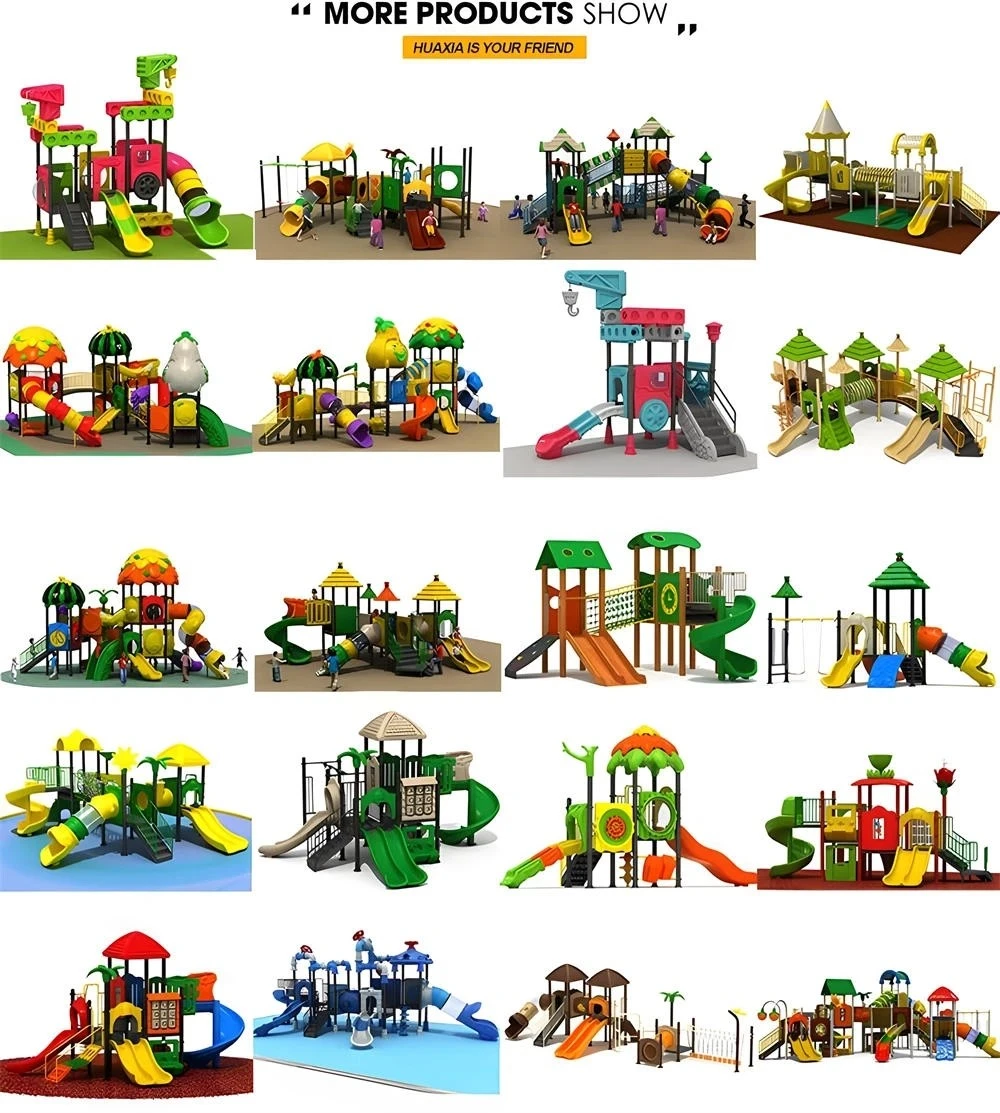
Keeping your toddler healthy starts with a clean and well-maintained indoor playground. You want to see spotless floors, fresh-smelling air, and well-maintained equipment. Cleanliness and hygiene matter just as much as safety features.
Cleaning Schedules and Practices
You might wonder how often staff clean the play area. The best indoor playgrounds follow strict routines to keep germs away. Here's what you should look for:
- Staff clean high-touch surfaces like door handles, slides, and mats several times a day.
- They use child-safe cleaning products and proper tools.
- Signs remind everyone to wash their hands before and after play.
- Staff receive regular training on hygiene and equipment care.
- The playground follows local and international health rules.
Most places set up a cleaning schedule that includes daily checks of all surfaces and equipment. If the playground gets busy, staff may clean even more often. Deep cleaning of ball pits or foam areas usually happens every week or two.
Sanitizing Toys and Equipment
Toys and play equipment can collect germs quickly. You want to know that everything your child touches is safe. Here are some common ways staff sanitize toys:
- Hard plastic toys go through a dishwasher's sanitizing cycle.
- Soft toys get washed in hot water in a washing machine.
- Spray sanitizers work for items that can't be soaked.
- Toys rotate in and out of play to make cleaning easier.
- Good ventilation helps clear out any cleaning fumes.
Some playgrounds set up special cleaning stations for washing and drying toys. Staff keep cleaning products locked away and labeled to stay safe.
Rules for Sick Children
No parent wants their child to catch a cold or worse. Leading indoor playgrounds have clear rules to protect everyone:
For the health and safety of all, children who are visibly ill or showing symptoms-like fever, cough, runny nose, rash, or stomach issues-cannot play in the indoor playground. If staff think a child is unwell, they may ask the child and their guardian to leave right away.
When you see these rules in place, you know the playground takes cleanliness and hygiene seriously. This helps keep your toddler safe and happy while they play.
Supervision and Staff at Indoor Play Places
Adult Supervision Requirements
When you visit an indoor playground, you want to know your child is always watched. Good supervision keeps toddlers safe and happy. Experts recommend a low adult-to-child ratio, so every child gets enough attention. Take a look at this table to see the suggested ratios for toddlers:
| Ages | Staff:Child Ratio | Group Size |
|---|---|---|
| Toddlers: 13–35 months | 1:4 | No more than 8 |
National organizations suggest that one adult should care for no more than four toddlers at a time. The group should not be larger than eight children. This helps staff spot problems quickly and step in if needed.
If you see a crowded play area with too few adults, that's a sign to ask about their supervision policy.
Staff Training and Emergency Preparedness
You want staff who know what to do in any situation. The best indoor playgrounds train their team in safety, first aid, and emergency plans. Here's a quick look at what staff should know:
| Protocol Type | Description |
|---|---|
| Evacuation Plans | Staff practice fire drills and know exit routes. |
| First Aid Training | All staff learn CPR and how to use AEDs. |
| Daily Inspections | Staff check for broken toys and clean surfaces every day. |
| Hygiene Standards | Staff follow strict cleaning routines and teach kids about handwashing. |
| Communication Skills | Staff explain rules clearly and help solve problems between children. |
Immediate CPR can double or even triple a child's chance of survival in an emergency. You should feel comfortable asking staff about their training and how they handle emergencies.
Clear Sightlines for Parents
You want to keep an eye on your toddler while they play. The best indoor playground designs make this easy. Look for open layouts and clear sightlines between play zones. This way, you and the staff can watch children from different angles without obstacles in the way.
Open sightlines help you supervise your child at all times.
Clear zones let staff monitor several groups at once.
When you see these features, you know the space supports safe and active supervision.
Choosing the Right Indoor Playground
Finding the perfect spot for your toddler to play indoors can feel overwhelming. You want a place that feels safe, clean, and welcoming. Let's break down how you can make the best choice for your family.
Visiting and Observing the Space
Nothing beats seeing a playground with your own eyes. When you visit, you get a real sense of how the space feels and how staff care for it. Here's a simple checklist to help you assess safety and cleanliness:
Do your homework first. Before you go, look up recent parent reviews. These often mention how clean and well-kept the playground is.
Watch the staff in action. Are they cleaning up spills right away? Do they keep play areas tidy and organized? Staff who care about cleanliness usually care about safety too.
Check health basics. Restrooms should work and look clean. Hand sanitizer should be easy to find. Eating areas should look spotless.
Tip: Trust your senses. If something smells bad or looks dirty, it's okay to walk away.
Reading Reviews and Feedback
Online reviews can give you a peek into other families' experiences. When you read feedback, focus on these points:
Is the playground right for your child's age? Some indoor playgrounds cater to older kids, while others focus on toddlers.
Are safety measures in place? Look for comments about sturdy equipment and clear safety rules.
How clean is the facility? Parents often mention if the space feels fresh or if toys look grimy.
Do parents feel their kids are supervised? Good reviews often mention attentive staff and clear supervision.
A quick scan of reviews can help you spot patterns. If many parents praise the same things, that's a good sign. If you see repeated complaints, take them seriously.
Questions to Ask Before Visiting
You can learn a lot by asking a few simple questions before you visit. Here are some ideas:
- What age groups do you serve? Are there separate areas for toddlers?
- How often do you clean and sanitize the play equipment?
- What is your staff-to-child ratio?
- Are staff trained in first aid and emergency procedures?
- What are your rules for sick children?
- How do you handle accidents or injuries?
Note: Staff should answer your questions confidently. If they seem unsure or avoid your questions, consider looking elsewhere.
Red Flags to Avoid
Some warning signs mean you should keep searching for a better playground. Watch out for these issues:
Broken or poorly maintained equipment. This can lead to falls and injuries. Falls and impacts cause most playground injuries, including serious ones like fractures or head injuries.
Reports of children getting trapped in ropes or tunnels. This is a big safety risk.
Dirty or unsanitary play areas. Incidents like children vomiting or having accidents in play zones should be handled quickly and thoroughly.
Frequent recalls of playground equipment. The U.S. Consumer Product Safety Commission often recalls unsafe products. Manufacturers must make sure their equipment is safe.
Unclear or missing safety rules. If you can't find posted rules or staff don't enforce them, that's a problem.
If you spot any of these red flags, it's best to move on. Your child's safety comes first.
Choosing the right indoor playground takes a little effort, but it pays off. When you visit, observe, ask questions, and read reviews, you set your child up for safe and happy play. The ideal indoor playground will make you feel welcome and give your toddler a place to explore with confidence. Indoor play places for toddlers should always put safety and cleanliness first.
Amenities That Enhance Indoor Play Places for Toddlers
When you pick an indoor play space, you want more than slides. Good amenities make your visit easier and more fun for you and your toddler.
Family-Friendly Facilities
You want a place that welcomes families. Many parents like comfy seats, Wi-Fi, and snacks while kids play. These things help you relax and stay connected. Here's what parents like most:
| Amenity | Description |
|---|---|
| Safety | Padded floors, rounded edges, and supervised play zones to lower injury risks. |
| Creativity | Themed play zones and role-play stations for imaginative fun. |
| Social Interaction | Spaces for kids to meet and play together, building social skills. |
| Family-Friendly Features | Cozy seating, internet access, and snacks for parents and caregivers. |
Some play centers have creative stations, water tables, or sensory rooms. Places like Twinkle Playspace offer hands-on activities. Others, like Kanga's Indoor Play Center, have special toddler zones with extra padding. These features make your visit smoother and more fun.
Snack and Rest Areas
Toddlers get hungry and tired fast. You need a spot to rest, eat, or feed your child. Many playgrounds have snack bars or small cafés with healthy food. You might see tables, high chairs, and quiet spots for nursing or bottles. Clean rest areas help you recharge before more play.
Tip: See if the playground allows outside food or has allergy-friendly snacks. This can make your visit easier.
Accessibility Features
Every child should feel welcome at play. The best playgrounds design spaces for all abilities. Look for these features:
| Accessibility Feature | Description |
|---|---|
| Wide Entrances and Exits | Easy for wheelchairs and strollers to move through. |
| Smooth, Padded Flooring | Safe and comfortable for everyone, including those with mobility needs. |
| Graduated Play Features | Different levels of challenge so every child can join in. |
| Sensory Play Opportunities | Sound tubes, tactile panels, and cozy calm areas for kids who need a break. |
| Clear Signage | Signs that help everyone find their way around the playground. |
| Social Engagement Spaces | Special spots for kids to interact and make friends. |
When you see these features, you know the playground cares about every family. You can relax, knowing your toddler has a safe and welcoming place to play and grow.
Preparing Your Toddler for Indoor Playgrounds
Getting your toddler ready for indoor playgrounds can make the experience smoother and safer for everyone. A little preparation goes a long way. Here's how you can help your child get the most out of their playtime.
Discussing Safety Rules
Before you head out, talk to your toddler about the basic safety rules. Use simple words and repeat the rules together. Remind your child to wait their turn and slide down feet first. Let them know that rough play is not okay. Explain that gentle play keeps everyone safe and happy.
- Encourage your child to share and be kind.
- Remind them to listen to adults and follow directions.
- Tell them why it's important to keep hands and feet to themselves.
Tip: Make safety talks part of your routine before every visit to indoor playgrounds. Kids remember rules better when you repeat them often.
Setting Expectations for Behavior
Every child is different, and that's okay. Set realistic expectations for your toddler's behavior at indoor playgrounds. Some days your child may feel excited, while other days they might get upset or tired quickly. Mood swings and short attention spans are normal at this age.
- Recognize that your child grows and learns at their own pace.
- Expect some emotional ups and downs during play.
- Plan for short play sessions to match your toddler's energy.
If your child gets overwhelmed, take a break together. Praise good behavior and talk calmly about any problems.
Supervising During Play
Your presence matters most at indoor playgrounds. Always keep your child within sight and reach. Watch for any signs of trouble, like pushing or crying. Stay close so you can step in quickly if needed.
- Follow all safety guidelines posted in the play area.
- Check that your child plays in the right zone for their age.
- Scan the playground often and count the children in your group.
- Listen for any signs of conflict or distress.
Good supervision helps prevent accidents and keeps playtime fun. You also set a great example for your child by showing that safety and hygiene matter.
When you look for indoor play places for toddlers, keep these steps in mind:
- Check for soft play areas, secure enclosures, and trained staff.
- Make sure the space has age-appropriate zones and regular cleaning.
- Watch for clear supervision and ask questions about safety rules.
Trust your instincts. You know what feels right for your child. The ideal indoor playground lets your toddler explore, learn, and have fun while staying safe and healthy. 😊
FAQ
What should you bring to an indoor playground?
Pack socks for your toddler, a water bottle, and a small snack. Some places require grip socks. Bring hand sanitizer and wipes for quick cleanups. Always check the playground's rules before you go.
How often do indoor playgrounds clean their equipment?
Most indoor playgrounds clean high-touch surfaces several times a day. Staff usually deep clean ball pits and soft play areas weekly. If you want to know more, just ask the staff about their cleaning schedule.
Can you bring your own food to indoor play places for toddlers?
Some playgrounds let you bring your own snacks, while others have cafés or snack bars. Always check the rules before you visit. If your child has allergies, ask about safe food options.
What if your child gets hurt while playing?
Staff should have first aid training and know what to do in an emergency. If your child gets hurt, find a staff member right away. They will help and may call you if needed.
Are indoor playgrounds safe for children with special needs?
Many indoor playgrounds offer accessible features like ramps, padded floors, and sensory play areas. Look for spaces with clear signs and friendly staff. If you have questions, call ahead to ask about their accommodations.
